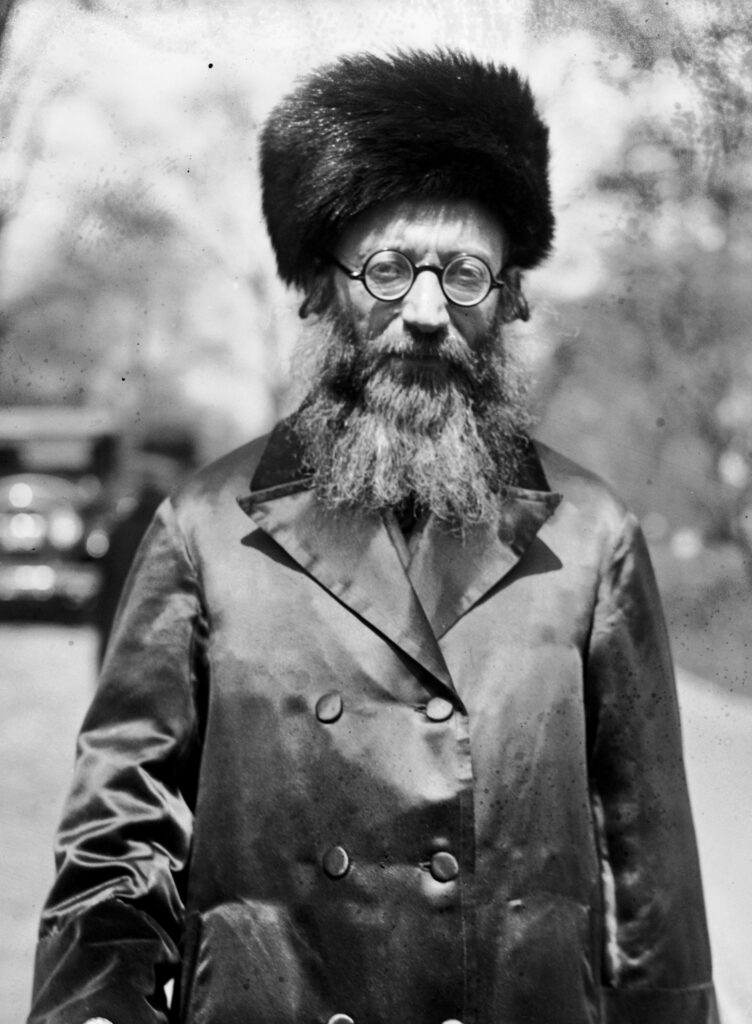
TwoHillsLab is not just for ancient texts; it is proving highly effective for modern research (19th and 20th centuries) as well. We recently conducted a preliminary examination of the Average Verse Length (AVL)—essentially sentence length—in the writings of Rabbi Kook (1865–1935).
The data revealed a striking feature: the occasional presence of “super-long” sentences buried within otherwise standard prose.
- One such example: In Midbar Shur (1899), we identified a single sentence containing about 110 words!:
“ה. כלל ההבדל בין שני מיני השלמות הללו, הוא ההבדל שבין המעלה שזוכין לה כל באי עולם מבני נח ותעודתם ע”י שבע המצות שהם מוזהרים עליהן, שכולן דומות לטבע האדם הישר, עד שלא יתאוה לעבור עליהן כ”א איש רע אשר הפך את נפשו מטבעה הישר שעל פיו נבראה – להשלמות המיוחדת לזרע ישראל ע”י נחלת ד’ שהנחילנו כל התורה כולה בתרי”ג מצותיה שהן למעלה מטבע האנושי, שצריך יגיעת בשר ורוח ועמל גדול לזכות לאור השלמות הבא ע”י זה, ולהפוך הטבע האנושי אל הפכו, לעלות ממצב האנושות למצב מלאכי אלקי, וזה אי אפשר כ”א ע”י השתדלות תמידית, לשום שכמו לסבול עול עבודת מלכו של עולם כל הימים אשר הוא חי על פני האדמה.” [1]
- The Trend: Later edited works show fewer of these marathon sentences. This suggests that either Rabbi Kook’s style evolved, or later editors “corrected” and broke up these long sentences found in the original manuscripts.
Further work by Rabbi Kook scholars using the TwoHillsLab platform could enable deeper stylistic and semantic analysis, including an examination of whether these “super long” sentences share a common theme, content, or rhetorical function.
=======
[1] For the full text of the writings of Rabbi Kook, see the Sefaria website:
https://www.sefaria.org.il/texts/Jewish%20Thought/Modern/Rav%20Kook